All posts by Jack Rector

Best Sliding Patio Doors for Texas Homes


best sliding patio doors A patio door can look fine from across the room and still be the reason your house feels hot, drafty, hard to secure, or frustrating to use every day. That is usually the real question behind the search for the best sliding patio doors – not which one looks good in a showroom, but which one will keep working in a Texas home after years of heat, rain, shifting, and daily traffic.

For most homeowners, the right choice comes down to three things: how the door moves, how well it seals, and how long the frame and rollers hold up. Style matters, of course, but patio doors are not just a design feature. They are part of your exterior door system, and if that system is weak, you feel it in your energy bill, your security, and your day-to-day convenience.

What makes the best sliding patio doors?

The best sliding patio doors are the ones that fit your opening correctly, glide without strain, lock securely, and seal tightly along the frame and threshold. That sounds simple, but a lot of problems start when homeowners shop by appearance first and performance second.

A large glass panel always looks appealing. It brings in light and opens up the backyard view. But if the frame is flimsy, the weatherstripping is poor, or the rollers are undersized, that same door can become a long-term headache. Sticking, dragging, water intrusion, air leaks, and locking issues are common when the door system is built light or installed poorly.

That is why there is no single best door for every home. A patio door facing full afternoon sun in Arlington or Fort Worth may need different glass performance than one in a shaded backyard in Flower Mound. A busy family that uses the patio several times a day may need heavier-duty hardware than a homeowner who opens it only on weekends.

Frame material matters more than most homeowners expect

When people compare doors, glass usually gets the attention. The frame deserves just as much.

Vinyl sliding patio doors

Vinyl is popular because it is cost-effective, low maintenance, and energy efficient. A good vinyl patio door can perform very well in residential settings, especially when the frame is reinforced and the rollers and lock hardware are solid. The weak point is usually not the vinyl itself, but lower-end construction. Thin vinyl frames can flex, and cheaper models may not hold alignment as well over time.

For homeowners who want a practical replacement without overspending, vinyl is often a smart option. It works especially well when the priority is dependable performance and easy upkeep.

Aluminum sliding patio doors

Aluminum has a slimmer profile and a clean, modern look. It is strong and can support larger glass areas with less bulk. The trade-off is insulation. Standard aluminum transfers heat more easily than vinyl or fiberglass, so in North Texas that can matter. Some improved aluminum systems include thermal breaks, which help, but they still need to be chosen carefully.

If your focus is a contemporary appearance, aluminum can be a strong candidate. If energy efficiency is the top concern, there may be better options.

Fiberglass sliding patio doors

Fiberglass tends to be one of the best long-term choices because it is stable, durable, and better suited to temperature swings. It resists warping, holds paint or finish well, and typically offers better structural performance than lighter materials. It also pairs well with higher-end glass packages and stronger hardware systems.

The downside is cost. Fiberglass usually comes at a higher upfront price, but many homeowners see that as money better spent if they plan to stay in the home.

Wood-clad and wood doors

Wood gives a rich, high-end look that many homeowners love. Inside the home, it can be hard to beat. Outside, it takes more maintenance and needs proper protection from moisture and sun. In a humid or weather-exposed area, neglect catches up fast.

For homeowners focused on appearance and willing to maintain it, wood has appeal. For those who want a lower-maintenance exterior, it is not always the best fit.

Glass options can make or break comfort

A patio door is mostly glass, so the glass package has a direct effect on comfort and efficiency.

Double-pane glass is the baseline for most modern replacements and is usually the minimum worth considering. Low-E coatings help reflect heat and reduce solar gain, which matters in Texas. Gas-filled insulated glass can improve performance further. Tinted glass can help in very bright exposures, though it changes the appearance of the view and natural light.

If your current patio door lets the room heat up every afternoon, glass performance should be a top priority. The best sliding patio doors for sunny Texas exposures usually balance clear views with real heat control. Going too cheap here often means you pay for it later in comfort and utility costs.

Smooth operation is not a luxury

A sliding patio door should open with controlled, steady movement. If you have to pull hard, lift, shove, or wiggle it into place, something is wrong.

Sometimes that problem comes from worn rollers or a damaged track, and repair is enough. Other times the frame has shifted, the sill is compromised, or the door itself was not built strongly enough for long-term use. Homeowners often assume they need a full replacement when a targeted repair can restore function. In other cases, they keep repairing a weak system that should have been replaced two years ago.

That is where an experienced door specialist matters. A patio door is not just a glass panel on wheels. The track, rollers, interlock, frame, jamb condition, threshold, and weather seal all work together. If one part keeps failing because the system is out of square or worn out, replacing only the obvious part may not solve much.

Security should be part of the decision

Many older sliding patio doors are easier to force open than homeowners realize. Weak latches, worn keepers, flexing panels, and loose frames all reduce security.

A better patio door should include a strong locking system, solid frame construction, and hardware that stays aligned. In some cases, upgraded locks and security enhancements can improve an existing door. In others, especially when the frame is compromised or the panel fit is poor, replacement is the safer path.

This is one area where bargain products often disappoint. A sliding door can look attractive and still leave too much play at the lock side. If home security matters, and for most families it does, that should not be treated as an add-on feature.

Best sliding patio doors by homeowner priority

If your top concern is value, a quality vinyl sliding patio door with insulated glass is often the best place to start. If your top concern is durability and long-term performance, fiberglass is hard to beat. If your priority is a modern look with narrower sightlines, aluminum may be worth considering, as long as the thermal performance is there. If appearance and interior finish matter most, wood-clad systems may fit, but they do require more commitment.

That is why the best choice depends on the condition of your existing opening, how often the door gets used, the amount of weather exposure, and how long you plan to stay in the home. A homeowner planning a near-term sale may make a different decision than a family upgrading a forever home.

When repair makes more sense than replacement

Not every difficult patio door needs to be replaced. If the glass is intact, the frame is sound, and the main issue is worn rollers, track damage, weatherstripping failure, or hardware problems, repair can be the smarter investment.

This is especially true when the original door is a heavier, better-built system than many of today’s low-end replacements. Restoring a solid door often makes more sense than swapping it out for something cheaper just because it is new.

On the other hand, if the frame has water damage, the panels no longer align properly, the lock side is loose, or the sill and jamb are failing, replacement usually saves more money and frustration in the long run. Homeowners across the Dallas-Fort Worth area deal with this often, especially in homes where original builder-grade patio doors have reached the point where patchwork fixes no longer hold.

How to shop smarter for a patio door replacement

Start by asking how the door will perform after five years, not just how it looks on day one. Ask about frame material, glass package, roller quality, lock design, and whether the installer is addressing the full opening if needed. A patio door replacement should not ignore rotten wood, worn thresholds, or frame issues around the unit.

Also pay attention to who is doing the work. Patio doors are one of those products where installation quality directly affects performance. Even a good door can operate badly if it is set into a compromised opening or installed out of alignment. A specialized company that works on patio doors, sliding glass doors, jambs, thresholds, and exterior door systems every day will usually spot issues a general contractor may miss.

For homeowners who want a clear answer without guesswork, Pro Door Repair often finds that the best result comes from matching the product to the condition of the opening and the way the home is used, not from pushing one brand or one material across every job.

The right sliding patio door should feel solid, move easily, seal tightly, and give you confidence every time you lock it at night. If your current door is fighting you, letting in heat, or showing signs of wear around the frame, that is not something to put off. A well-chosen repair or replacement can change how the whole back side of your home looks, feels, and functions.

Door Jamb Repair Fort Worth Homeowners Trust

A front door that drags, won’t latch, or shows soft wood around the frame is more than a daily annoyance. In many homes, door jamb repair Fort Worth property owners put off for months starts as a small issue and turns into a security problem, an air leak, or a full replacement job that could have been avoided.

The door jamb is the structural part of the frame that helps the door close correctly, seal out weather, and hold hardware securely. When it gets damaged, the whole system suffers. You may notice deadbolts that no longer line up, light coming in around the edges, loose hinges, cracked trim, or wood rot near the bottom corners. Those symptoms point to a door that is no longer doing its job.

Why door jamb damage happens so often in Fort Worth

Fort Worth homes deal with heat, rain, shifting soil, and normal wear from years of use. That combination is rough on exterior door systems. A jamb can swell from moisture, crack from forced impact, or begin to rot after repeated exposure at the threshold and lower frame.

In older homes, the problem is often a slow build. Weatherstripping wears out, the sweep no longer seals, and water starts getting where it should not. In other cases, the issue is sudden – a break-in attempt, a door kicked shut too many times, or a sagging slab that pulls on the frame until something gives.

Not every damaged jamb needs a full new door. That is where experience matters. A specialist can tell the difference between a repairable frame issue and a deeper failure involving the entire entry system.

Signs you need door jamb repair in Fort Worth

Some frame problems are obvious. Others hide in plain sight until the damage spreads. If your exterior door has become hard to lock or close, that is one of the clearest warnings. Doors and jambs work as a unit, so even a slight shift can throw off the latch, hinges, strike plate, and seal.

Soft wood is another major red flag. Press a screwdriver lightly into a suspicious area near the bottom of the frame. If the wood feels spongy or crumbles, moisture has already done real damage. Paint bubbling, dark staining, and separation at the joints can also point to rot inside the jamb.

Security issues matter just as much. If the strike area is split, the screws are pulling loose, or the deadbolt catches only partially, the door is easier to force open. Homeowners often think they need a new lock, when the real problem is that the frame no longer supports the hardware correctly.

Repair or replacement? It depends on the condition of the whole door system

This is where a lot of homeowners get bad advice. Some companies push full replacement on every call. Others patch visible damage without correcting the cause. Neither approach helps if the goal is a dependable, long-term fix.

A good repair is usually the right choice when the damage is limited to part of the jamb, the door slab is still in solid shape, and the frame can be restored to proper alignment. That can include removing rotted wood, rebuilding damaged sections, replacing strike areas, resetting hinges, correcting latch alignment, and sealing the repaired area so the problem does not come right back.

Replacement makes more sense when the jamb is severely rotted, the door slab is warped, the sill is failing, or multiple parts of the entry system are compromised. Sometimes homeowners start the call expecting a simple repair and decide a full upgrade is the better investment once they see how many connected issues are present. Other times, a clean professional jamb repair buys many more good years from the existing door.

What professional door jamb repair Fort Worth service should include

Door work is rarely just carpentry. The frame affects security, insulation, weather resistance, and daily operation. That is why door jamb repair Fort Worth homeowners choose should start with a full diagnosis, not just a surface patch.

A proper service visit should look at hinge placement, latch alignment, deadbolt engagement, wood condition, threshold performance, weatherstripping, and signs of water entry. If the lower jamb is rotted but the sill is also compromised, both issues need attention. If the strike area is cracked because the door has sagged, the sag has to be corrected or the repair will not hold.

The best result is a door that closes smoothly, locks securely, seals tightly, and looks right from the curb. Cosmetic repair without structural correction is usually short-lived. So is hardware replacement on a frame that has already shifted out of position.

Common jamb problems and the right fix

Rot at the bottom of the frame is one of the most common issues on exterior doors. This usually happens when water gets past failed caulking, worn sweeps, or a weak threshold area. The right fix may involve cutting out damaged wood, rebuilding sections of the jamb, addressing moisture entry, and repainting or refinishing for protection.

Split jambs around the lock area are another frequent problem, especially after forced entry or long-term stress from poor alignment. In these cases, reinforcing or replacing the damaged section and securing the strike area properly can restore both function and security.

Some doors stick even when there is no major visible break. That often comes down to frame movement, hinge issues, swelling, or an improperly seated door slab. The repair may be more about realignment than reconstruction. This is why a specialist matters. The symptom is the sticking door, but the cause can vary.

Why specialized door repair beats a general handyman approach

A general handyman may be able to patch wood or swap a lock, but door jambs are part of a system. If the frame is off, the door slab, hinges, latch, deadbolt, weatherseal, and threshold all need to work together again. That takes experience with residential door systems, not just basic trim carpentry.

Homeowners in Fort Worth also care about how the finished job looks. A repaired jamb should not look pieced together or feel weak. It should blend with the home, support the hardware correctly, and hold up through heat, storms, and daily use.

That is where a dedicated residential door company stands apart. An experienced crew knows when to repair, when to reinforce, and when to recommend replacement because the repair would not deliver good value. That kind of straight answer saves time and money.

Protecting security, curb appeal, and energy efficiency

A damaged jamb affects more than the way a door opens. It can make your home easier to enter, harder to cool, and less attractive from the street. Small gaps around the frame let conditioned air escape and outdoor air come in. Over time, that puts more strain on your HVAC system and makes entry areas less comfortable.

From a security standpoint, the jamb is one of the most important parts of the opening. Strong locks do not help much if the wood around the strike plate is split or soft. Professional repair restores the frame so the hardware can actually do its job.

Appearance matters too. Cracked, rotted, or badly painted frame sections make the whole entry look tired. Many homeowners call for jamb repair because the door no longer looks right, then realize the fix also improves operation and peace of mind.

Choosing the right company for door jamb repair in Fort Worth

Look for a company that works on residential doors every day, not one that treats door frames as a side service. Ask whether they handle both repairs and full replacements. That flexibility matters because it means the recommendation can be based on what your door actually needs.

Experience in the Dallas-Fort Worth area also helps. Local homes deal with movement, moisture, and weather extremes that affect exterior doors over time. A seasoned door specialist knows what tends to fail, what repairs last, and when an upgraded entry system is the smarter option.

Pro Door Repair has built its reputation on exactly that kind of practical service – diagnosing the real issue, correcting it professionally, and giving homeowners a result that feels solid every time they open the door.

If your door is sticking, the lock no longer lines up, or the frame shows signs of rot or splitting, waiting rarely helps. The sooner the jamb is repaired, the better the chance of protecting the rest of the door system and keeping the fix simple.

Best Exterior Door for Home Security

A lot of break-in risk comes down to one weak point – not the lock, but the whole door system around it. If you are trying to choose the best exterior door for home security, the real answer is not just a material or a brand. It is a well-built door slab, a strong frame, solid hardware, and professional installation that leaves no weak spots at the jamb, hinges, threshold, or strike area.

For most homeowners, that means looking past showroom appearance and asking a more useful question: what actually holds up when someone kicks, pries, or shoulder-checks the entry? A door can look heavy and still fail fast if the frame is soft, the latch throw is short, or the jamb is already split from age and weather.

What makes the best exterior door for home security?

The strongest entry doors work as a complete system. The slab matters, but so do the jamb, hinges, lock prep, weather exposure, and how tightly everything fits together. A secure door should resist force, stay aligned over time, and support quality deadbolts without flexing or pulling loose.

That is why homeowners often get mixed results when they replace only the slab. If the old frame is warped, the strike plate is shallow, or the threshold has dropped, the new door may still have security problems. In many cases, the upgrade that makes the biggest difference is replacing or repairing the full exterior door unit, not just swapping the panel.

Steel, fiberglass, or wood?

If security is the top priority, steel and fiberglass usually lead the conversation. Wood still has a place, especially for high-end custom homes, but it comes with more maintenance and can become a liability if neglected.

Steel doors

Steel is often the first answer people expect, and for good reason. A quality steel entry door offers strong impact resistance, dependable security, and good value. It is hard to beat for homeowners who want straightforward protection without overspending on decorative upgrades.

But steel is not perfect. Lower-grade steel doors can dent, and if the finish is damaged, rust can become an issue. In North Texas, where heat, storms, and seasonal movement put stress on exterior openings, the frame condition becomes just as important as the door skin itself. A strong steel slab installed into a weak or rotted jamb is not really a security upgrade.

Fiberglass doors

Fiberglass is one of the smartest options for homeowners who want both security and long-term performance. A well-made fiberglass door resists warping, handles weather well, and can be built with a solid, substantial feel. Many also mimic real wood convincingly, which helps if curb appeal matters as much as security.

For many homes, fiberglass is the best balance. It offers strong durability, lower maintenance than wood, and better resistance to humidity and sun exposure. It also works well in complete entry systems where the frame, weatherstripping, sill, and hardware are all part of a properly fitted package.

Wood doors

A solid wood door can be secure, especially when paired with a reinforced frame and quality hardware. It also offers a premium look that many homeowners love. The trade-off is upkeep. Wood is more vulnerable to swelling, shrinking, splitting, and long-term weather damage, especially if the finish is not maintained.

That does not make wood a bad choice. It just means it is usually not the first recommendation when someone asks strictly for the best exterior door for home security. If you want wood, the installation details and ongoing maintenance matter even more.

The frame is where many doors fail

Homeowners often focus on the door slab and forget the surrounding structure. That is a mistake. In forced-entry situations, the jamb and strike area are often the first parts to give way.

If the wood around the lock is soft, cracked, or previously repaired poorly, the deadbolt may not have much real holding power. If the door is out of square, the latch may only catch shallowly. If the hinges are loose or the screws are too short, the entire unit can shift under pressure.

This is why older homes and aging exterior doors deserve a closer look. Sometimes the best security move is not buying the most expensive slab. It is correcting the frame, replacing rotted jamb sections, reinforcing the strike area, and making sure the door closes and latches exactly as it should. That is the kind of work a true door specialist handles every day.

Hardware matters more than most people think

A secure exterior door needs more than a decent deadbolt from the hardware aisle. The lockset, deadbolt, strike plate, hinge screws, and door alignment all work together. If one part is weak, the whole system is easier to defeat.

Look for a quality deadbolt with a full throw into a reinforced strike area. The strike plate should be secured with long screws that anchor into framing, not just the trim or shallow jamb wood. Hinges should also be fastened securely, especially on doors that already show sagging or movement.

For homeowners comparing doors, this is where a professional recommendation helps. A nice-looking door with builder-grade hardware may not outperform a simpler door with a properly reinforced lock side and corrected jamb. Security is not just about what you see from the curb.

Glass can be secure, but it changes the equation

Many front doors include glass inserts or sidelites. These can look great and bring in natural light, but they do create added considerations. More glass means more planning around privacy, impact resistance, and lock placement.

That does not mean you have to avoid glass completely. It means you should be selective. Decorative glass, smaller lites, and thoughtfully designed entry systems can still provide good security when the rest of the unit is well built. But if maximum resistance is your main goal, a more solid door with limited glass usually gives you fewer vulnerabilities to worry about.

Best exterior door for home security in real homes

For most homeowners, the best exterior door for home security is a high-quality steel or fiberglass prehung door installed with a strong frame, reinforced strike area, quality deadbolt, and proper weather-sealed fit. Between the two, fiberglass often wins for overall balance because it offers security, durability, lower maintenance, and a better long-term appearance.

That said, there is no one-size-fits-all answer. A family replacing a weather-damaged back door may need a different solution than a homeowner upgrading a formal front entry. A house with existing jamb damage may need structural correction before a new slab makes sense. And if the current door is rubbing, sagging, or leaking air, that is often a sign the problem goes beyond the panel itself.

In the Dallas-Fort Worth area, weather exposure can speed up deterioration around thresholds, bottom rails, sweeps, and jamb legs. That is one reason homeowners here benefit from working with a company that understands both security and door system repair. Pro Door Repair sees these issues up close and knows when a targeted repair will restore protection and when a full replacement is the better investment.

When repair is enough and when replacement is smarter

Not every security concern means you need a brand-new door. If the slab is still solid but the strike area is split, the weatherstripping is worn out, or the threshold has shifted, a professional repair may restore both function and security. This is often the right move when the door itself is in decent shape and the weak point is around it.

Replacement makes more sense when the slab is damaged, the frame is deteriorated, the door no longer fits properly, or the entire system is outdated. If you have an old hollow-feeling entry door, visible rot, chronic drafts, or repeated lock problems, patching it may only delay the bigger fix.

A good contractor should tell you which category your door falls into. That kind of honesty matters. Homeowners want long-term value, not a temporary patch sold as a permanent solution.

What to look for before you buy

Start with the door as a full system, not a single component. Ask about the frame material, lock reinforcement, hinge attachment, threshold quality, and whether the installation includes correcting jamb issues if they are found. If security matters, those details should not be afterthoughts.

Also think about everyday use. The best secure door is one that closes properly every time, latches without force, holds up to weather, and does not develop alignment issues six months later. Real security is not just resistance to a kick. It is dependable performance year after year.

If you are replacing an exterior door, choose the option that gives you strength, fit, and long-term stability, not just the one that looks toughest in a photo. A properly installed steel or fiberglass entry system usually gives homeowners the strongest return where it counts – safety, durability, and peace of mind.

The right door should make your home feel harder to breach and easier to trust every time you lock it at night.

Sliding Glass Door Repair That Lasts

PRO DOOR REPAIR COMPANY

A sliding patio door usually starts failing in small ways. It drags a little. The lock stops lining up. You notice a draft near the frame, or the glass panel takes both hands to move. Sliding glass door repair is often the difference between a door that works like it should and one that becomes a daily frustration, a security concern, and a source of wasted energy.

For many homeowners, the first instinct is to live with it for a while. That makes sense until the problem gets worse. A door that sticks can damage the track. A bad lock can leave the home vulnerable. Worn rollers can put extra stress on the frame and make the entire system feel unstable. When that happens, the issue is no longer just convenience. It becomes about function, safety, and protecting the investment in your home.

What usually goes wrong with a sliding glass door

Most sliding patio door problems come down to wear, misalignment, or moisture-related damage. Rollers wear out over time, especially on older doors that have seen years of heavy use. Tracks collect dirt, pet hair, and debris, but buildup is only part of the story. In many cases, the track itself is bent, worn, or damaged enough that cleaning alone will not restore smooth operation.

Locks and latches are another common failure point. If the door no longer closes squarely, the lock may not engage even though the hardware itself is still intact. Other times the latch is worn out, the keeper is out of position, or the handle set has loosened to the point that the door cannot be secured properly.

Then there is the frame. In North Texas, heat, shifting foundations, and age can all affect door alignment. A sliding glass door may look fine at a glance while actually sitting out of square. When that happens, the panel can bind, scrape, leave gaps, or refuse to lock. If water has been getting in around the threshold or frame, wood rot and sill deterioration may also be part of the problem.

Signs you need sliding glass door repair now

Some issues are obvious, but others show up gradually. If your patio door feels heavier than it used to, that usually points to roller wear or track trouble. If you hear grinding, scraping, or popping, the moving parts are already under strain. If the lock only works when you lift or shove the panel, the door is likely out of alignment.

Drafts matter too. A sliding glass door should close tightly enough to help control indoor temperature and block outside air. If you feel hot air coming in during a Texas summer or notice water after a storm, weatherstripping, thresholds, or frame components may need attention. Condensation between panes is a separate issue tied to insulated glass failure, and that can mean repair in some cases or replacement in others.

Security is another reason not to wait. A sliding door with a weak latch, poor alignment, or damaged frame is easier to force open. Homeowners often focus on the glass, but the real weak points are usually the lock, strike, and door fit.

Sliding glass door repair or replacement?

This is where experience matters. Not every bad patio door needs full replacement, and not every old door is worth repairing. The right answer depends on what has failed and how far the damage has spread.

If the main problem is worn rollers, track damage, hardware failure, weatherstripping, or minor alignment issues, repair is often the smarter and more cost-effective option. A proper repair can restore smooth operation, improve security, and extend the life of the existing door.

If the frame is badly rotted, the glass seals have failed, the panel is warped, or the entire unit is outdated and inefficient, replacement may deliver better long-term value. Homeowners looking for stronger energy performance, improved curb appeal, or upgraded security often decide that a new system makes more sense than putting money into a door at the end of its service life.

The trade-off is simple. Repair is usually faster and less expensive upfront. Replacement makes more sense when the underlying structure is compromised or when you want a significant upgrade in performance and appearance.

Why DIY fixes often fall short

There are a few maintenance tasks homeowners can handle, like clearing loose debris from the track and checking for obvious hardware issues. But many sliding door problems are mechanical and structural, not just cosmetic. That is why quick fixes often do not last.

For example, lubricating a worn roller may quiet the noise for a short time, but it does not correct a damaged wheel or a door that is riding out of level. Adjusting the latch without addressing frame alignment might help the lock catch once or twice, but the door will keep drifting back into the same problem. Replacing one visible part without diagnosing the full cause can waste time and money.

Sliding patio doors are heavier and more complex than they look. Removing panels, resetting rollers, correcting track issues, and dialing in lock alignment takes the right tools and real experience. If the sill or jamb has damage, it also takes a specialist who understands door systems as a whole, not someone guessing at one isolated part.

What professional repair should actually solve

Good repair work is not just about making the panel move again. It should restore proper operation across the entire system. That means the door glides with less effort, closes squarely, locks securely, and seals the opening against air and water.

A professional diagnosis usually starts with the moving panel, rollers, track, handle set, and latch. From there, the condition of the frame, threshold, weatherstripping, and nearby structural components needs to be evaluated. In many homes, especially older ones, several smaller issues stack together. The roller wear may be obvious, but the real cause could include frame movement or sill deterioration.

That is why specialized door repair matters. A general handyman may treat the symptom. A true door specialist looks at how every part is working together and whether the door should be repaired, upgraded, or replaced for a better long-term result.

The value of local experience in North Texas homes

Sliding doors in the Dallas-Fort Worth area deal with intense sun, wide temperature swings, storm exposure, and homes that naturally settle over time. Those local conditions matter. The same patio door issue can look different in a newer suburban home in Southlake than it does in an older property in Fort Worth or Arlington.

An experienced local company understands the patterns. They know when a sticking door is likely a roller problem, when it points to movement in the opening, and when moisture around the sill is creating a much bigger risk. They also know when repair is worth doing and when homeowners are better served by replacing the unit with a stronger, more efficient option.

That practical approach saves frustration. It keeps homeowners from overpaying for unnecessary replacement, but it also keeps them from sinking money into temporary repairs on a failing system. That balance is a big reason many DFW homeowners turn to specialists like Pro Door Repair instead of a broad handyman service.

What homeowners gain from timely repair

The biggest benefit is immediate. The door works again without the dragging, fighting, and slamming that has become part of the routine. But the long-term value is just as important.

A properly repaired sliding glass door can improve energy efficiency by reducing air leaks and helping the home maintain a more consistent temperature. It can improve security by restoring dependable locking function and tighter alignment. It can also protect the surrounding frame and flooring from water intrusion that starts small and turns expensive.

There is also the appearance factor. A patio door is a major visual element in the back of the home. When it operates poorly, looks worn, or sits out of alignment, it affects how the whole space feels. A repaired or upgraded door makes the home feel better maintained and easier to enjoy every day.

Choosing the right company for sliding glass door repair

This is not a service where you want guesswork. Look for a company that focuses on residential doors, understands repair as well as replacement, and can speak clearly about what is actually wrong with your system. If every problem leads straight to a sales pitch for a new door, that is a red flag. If the company offers only patchwork fixes without addressing frame condition, alignment, and hardware function, that is another one.

The right contractor should be able to explain the cause of the issue, the repair options available, and when replacement is the smarter choice. They should also understand related components like jambs, thresholds, weatherstripping, and exterior door systems, because patio door performance is rarely about just one part.

A sliding glass door should open easily, close tightly, and lock with confidence. If yours does not, waiting usually makes the repair more involved. Getting it looked at early gives you more options, less disruption, and a better chance of restoring the door before minor wear becomes major damage.

Front Door Won’t Latch Properly? Fix It Right

You notice it fast when a front door won’t latch properly. You pull it shut, hear a weak click or no click at all, and suddenly a basic part of your home no longer feels secure. Sometimes you have to shove the door, lift the handle, or lock the deadbolt just to keep it closed. That is not a small inconvenience. It is usually a sign that something has shifted, worn out, or started failing in the door system.

For homeowners, this problem tends to show up at the worst time – during a weather change, after a heavy rain, or right when you are heading out the door. The good news is that a latching issue usually leaves clues. The better news is that the right repair can restore smooth operation, better security, and a tighter seal without guessing.

Why a front door won’t latch properly

A front door has to line up in several places at once. The slab has to hang square in the frame. The latch has to meet the strike plate at the correct height and depth. The hinges have to hold steady under the weight of the door. The jamb has to stay solid. If one part moves, the whole system can start fighting itself.

That is why the symptom looks simple, but the cause is not always simple. A latch that misses the strike plate by a hair may be caused by loose hinge screws. It may also be caused by a sagging slab, a swollen door, settling in the opening, a warped frame, or wood rot in the jamb. The fix depends on what moved and why.

On older homes, wear adds up slowly. On newer homes, seasonal movement can still create trouble. In North Texas, heat, humidity swings, dry spells, and storm cycles can all affect exterior doors. A door that worked fine last season can start scraping, sticking, or refusing to latch once the frame shifts enough.

The most common causes

Hinge problems are high on the list. When screws loosen or the hinge mortises wear down, the door can sag just enough to throw off latch alignment. Homeowners often notice a slight rub at the top corner on the strike side before the latch stops catching cleanly.

Strike plate misalignment is another common culprit. If the latch hits above, below, or against the edge of the strike opening, the door may bounce back instead of securing. Sometimes the strike plate itself is loose. Sometimes the plate is fine, but the door has shifted away from it.

Frame and jamb damage matters more than many people realize. If the jamb has cracked, softened from moisture, or started rotting around the latch area, the hardware may no longer hold in the right position. This is especially common when a door has been forced, repeatedly slammed, or exposed to years of weather without proper sealing.

Swelling and warping can also keep a front door from latching. Wood doors are especially sensitive, but even insulated exterior systems can move when installation was not quite right or weather exposure is uneven. If the door drags, binds, or needs pressure to close, the latch problem may be part of a bigger fit issue.

Hardware wear plays a role too. A worn latch mechanism may not extend fully. A handle set can become loose internally. A deadbolt that only locks when the door is pushed hard is another sign that alignment is off, even if the latch still barely catches.

What to check before deciding on a repair

Start with how the door behaves when it closes. If it closes easily but does not catch, the strike plate or latch position is the likely issue. If it takes force to close, the problem may involve warping, swelling, hinge sag, or frame movement.

Look at the reveal, which is the gap around the door. If the gap is tight at one top corner and wider elsewhere, the slab is probably out of square in the opening. Check whether the door rubs the frame, especially near the top latch side or along the threshold.

Then look at the latch itself. Fresh scrape marks on the strike plate tell a story. If the latch is hitting metal instead of entering the opening, that usually points to alignment. If the latch lines up but still will not hold, the latch assembly may be worn or sticking.

Also pay attention to the condition of the jamb. Soft wood, cracked trim, loose screws, and movement around the strike area often mean the problem goes beyond a quick adjustment. If the frame has lost strength, moving the strike plate alone may only buy temporary relief.

When a quick fix works and when it does not

There are times when a minor correction solves the issue. Tightening hinge screws, adjusting hardware, or repositioning a strike plate can restore proper latching if the door system is otherwise sound. That is the best-case scenario.

But quick fixes fail when they treat the symptom instead of the cause. If the door is sagging because the jamb is weakened, longer screws alone are not a real repair. If the frame is out of alignment, forcing the latch to catch may leave you with a door that still leaks air, sticks in humid weather, or puts extra stress on the lockset.

That is the trade-off homeowners run into. A small adjustment can be cost-effective when the structure is solid. A deeper problem needs a structural correction, or the issue keeps coming back.

Front door won’t latch properly after weather changes

This is one of the most common patterns. A door that works in cooler months may start sticking or missing the latch in summer. Another door may tighten up after prolonged rain or humidity. Exterior doors live at the intersection of indoor climate and outdoor exposure, so they move more than interior doors do.

Sometimes seasonal movement is mild enough that a professional adjustment gets everything back into spec. Other times, weather changes expose installation flaws that were there all along. Poor sealing, worn weatherstripping, threshold issues, and slight frame distortion can all become more obvious as conditions change.

If your door has to be pushed, lifted, or slammed when the weather shifts, that is a warning sign. The latch is only one piece of the problem. Security, energy efficiency, and long-term hardware life are usually affected too.

Repair or replacement?

It depends on the age of the door, the condition of the frame, and how many problems are happening at once. If the slab is in good shape and the issue is limited to alignment, hinge correction, strike plate adjustment, or jamb repair may be the right move.

If there is widespread rot, major warping, repeated draft issues, threshold failure, or an outdated entry system that has been patched several times, replacement often makes better sense. A new exterior door system can solve latching problems while also improving curb appeal, insulation, and security. That matters for homeowners who are tired of throwing money at a door that never works quite right.

This is where a specialist makes a difference. A general repair approach may get the door closed for now. A door-focused diagnosis looks at the slab, frame, jamb, threshold, weather seal, hardware, and overall fit as one system. That usually leads to a better result.

Why professional diagnosis matters

A front entry door is heavy, exposed, and security-critical. Getting it to latch is one thing. Getting it to latch correctly, seal properly, and hold up over time is another. Professional door repair is not just about moving a plate or replacing a screw. It is about identifying what failed and making sure the repair matches the real condition of the opening.

For homeowners across the Dallas-Fort Worth area, that can mean anything from precise hinge and latch adjustments to jamb reconstruction, hardware replacement, sill correction, or full entry door replacement. Companies like Pro Door Repair see these patterns every day, which makes the process faster and far more accurate than trial and error.

If your front door has become unreliable, do not wait until it turns into a lockout, a security issue, or water damage around the frame. A door that closes right should latch without force, lock without a fight, and make your home feel solid the second it shuts. That is the standard worth restoring.

Door Frame Repair and Replacement Guide

A door that rubs, won’t latch, or lets daylight show around the edges usually isn’t just a door problem. More often, it’s a frame problem. That’s why door frame repair and replacement matters so much for homeowners – the frame controls how the entire door system performs, from security and energy efficiency to smooth daily use.

When the frame starts to fail, the symptoms show up fast. You may notice cracked trim, soft wood near the bottom corners, loose hinges, air leaks, water intrusion, or a deadbolt that no longer lines up. Some issues are minor and can be corrected with a targeted repair. Others point to deeper damage that calls for a full replacement. Knowing the difference can save you money, but it can also prevent you from throwing repair dollars at a frame that is already past the point of lasting value.

When door frame repair makes sense

Repair is often the right answer when the damage is limited and the main structure of the frame is still solid. A good example is a strike area that has loosened over time. If the door no longer catches cleanly, the problem may be worn screw holes, minor settling, or hinge movement rather than full frame failure. In those cases, reinforcing the jamb, adjusting hinges, and realigning hardware can restore proper function without replacing the entire unit.

Localized wood rot can also be repairable if it is caught early. Exterior door frames in North Texas often take abuse from sun, rain, sprinkler overspray, and worn weatherstripping. If only a small section is affected, a skilled technician may be able to remove the damaged material, rebuild the area, and seal it correctly. The key is whether the damage is isolated or whether moisture has spread deeper into the jamb and sill system.

Cosmetic cracking is another situation where repair may be enough. Not every split in painted wood means the frame is structurally compromised. Sometimes it is surface movement, old caulk failure, or paint breakdown. A specialist can tell the difference between a cosmetic flaw and a true structural problem that affects security or operation.

When door frame replacement is the smarter investment

There is a point where repair stops being cost-effective. If the frame is badly rotted, split through major load points, twisted out of square, or repeatedly failing after past fixes, replacement is usually the better long-term move. A frame that cannot hold hinges securely or support a deadbolt properly is not just inconvenient – it is a security issue.

Replacement is also common when homeowners are upgrading the entire entry system. If you are installing a new fiberglass entry door, sidelites, or a more secure exterior setup, trying to reuse an old damaged frame can undercut the value of the new door. The door and frame work together as a system. If one is outdated or compromised, the other cannot perform at its best.

In older homes, replacement may solve several problems at once. A new frame can correct years of settling, improve insulation, tighten weather seals, and create a much cleaner finished look. That matters when curb appeal is part of the goal, especially for front entry doors.

Door frame repair and replacement for exterior doors

Exterior door frames take the hardest wear. They face heat, humidity, storms, daily traffic, and constant pressure from opening and closing. That is why exterior door frame repair and replacement needs a careful diagnosis, not a quick patch.

The most common trouble spots are the hinge jamb, strike jamb, and lower corners where water tends to collect. Rot at the bottom of the frame is especially common because moisture sits there longer, and many homeowners do not see the full extent of the damage until the wood is already soft. If the sill is failing too, the problem may involve more than the frame itself.

Security is another major reason to take exterior frame damage seriously. A weak jamb around the lockset can make forced entry easier. If the deadbolt area is split, loose, or pulling away, repair may involve more than filling wood and repainting. It may require structural reinforcement or full replacement to restore the strength your home should have.

For many homeowners in the Dallas-Fort Worth area, energy loss is the issue that finally gets attention. If hot air, dust, or moisture are getting around the frame, your HVAC system works harder and the entry feels less comfortable. Proper frame work, combined with fresh weatherstripping and a correctly fitted door, can make a noticeable difference.

What a professional looks at before recommending repair or replacement

A specialist should never recommend replacement just because the frame looks old. The real question is how the frame is performing and whether it can be restored to dependable condition.

First, the frame needs to be checked for squareness. A door that swings open on its own, sticks at the top, or drags across the threshold may be dealing with movement in the framing, not just wear in the slab. Next comes a moisture and rot inspection, especially at the lower jamb legs and sill. Hardware alignment matters too. If the latch, strike, and deadbolt are all fighting the frame, there may be a deeper structural issue underneath the symptom.

Material condition also matters. Solid wood frames can sometimes be repaired very effectively, but only if decay has not spread too far. Frames with repeated patchwork, chronic water exposure, or multiple weak points often cost more to keep limping along than to replace correctly once.

A seasoned door company will also ask what you want from the result. If your goal is simply to stop a sticking door, repair may be enough. If you want better security, a cleaner look, less air leakage, and a door system that lasts, replacement may offer better value.

Repair versus replacement – the real trade-offs

The lower upfront cost of repair is attractive, and in many cases it is the right move. But low cost only helps if the repair holds. If the frame is already deteriorating in several areas, repeated service calls can add up fast. A short-term patch may solve today’s symptom while leaving tomorrow’s failure in place.

Replacement costs more at the start, but it gives you a clean foundation. It is often the better choice when the frame damage is tied to old doors, outdated weather protection, or security concerns. The trade-off is larger scope. Replacement may involve new trim, threshold work, finish matching, or upgrading the entire entry system.

That is why the best answer is not always the cheapest one. It depends on the age of the door, the extent of the damage, the exposure to weather, and what you expect from the result over the next several years.

Why specialized door work matters

Door frames are not trim carpentry with a lock attached. They are part of a working system that has to be plumb, secure, weather-tight, and properly aligned. A general patch can hide visible damage, but if the frame is not corrected properly, the same issues often come back as sticking, drafts, lock problems, or fresh cracking.

That is where experience matters. A company focused on residential door systems can spot the difference between a hinge adjustment, a jamb rebuild, and a full-frame replacement. It can also match that recommendation to the kind of door you have – whether it is a front entry door, patio door, sliding glass door, or another high-use opening.

For homeowners, that kind of diagnosis matters more than a quick fix. You want a repair if a repair will truly solve it. You want replacement if repair would only delay the real answer.

If your door frame is showing signs of rot, movement, drafts, or lock trouble, don’t wait for it to become a bigger project. The right repair can extend the life of your door, and the right replacement can improve security, appearance, and daily performance all at once. A solid frame is what makes the whole door system worth having.

Exterior Door Repair Near Me in DFW

A front door usually starts asking for help before it completely fails. It sticks on humid mornings, lets light in around the frame, rattles when it closes, or shows soft wood near the jamb. When homeowners search for exterior door repair near me, they are usually not shopping around for a hobby project. They want the door fixed correctly, the home secured, and the problem handled before it gets more expensive.

That is exactly where specialized door repair matters. Exterior doors are not just slabs with hinges. They are part of a full system that includes the frame, jamb, threshold, weatherstripping, hardware, strike alignment, and often the surrounding trim. If one part is off, the whole opening can stop working the way it should.

What homeowners usually mean by exterior door repair near me

Most people are not looking for a cosmetic touch-up. They are dealing with a real performance problem. The door may drag across the threshold, refuse to latch without force, leak air, show signs of rot, or feel loose at the lock side. In many cases, the issue is not the door panel alone. The jamb may be split, the sill may be worn out, the frame may be out of square, or the hinges may have pulled loose over time.

That is why a quick patch from a general handyman does not always hold up. Exterior openings take daily abuse from weather, settling, foot traffic, and forced use. A proper repair starts with diagnosis. If the frame has shifted, simply replacing weatherstripping will not solve the draft. If the bottom rail is damaged from water, repainting it will not stop the deterioration. Good door work fixes the cause, not just the symptom.

Common exterior door problems that need professional repair

A sagging door is one of the most common service calls. You may notice the reveal is uneven, the latch misses the strike, or the top corner rubs the frame. Sometimes this can be corrected with hinge work and frame adjustment. Sometimes the problem runs deeper and points to a compromised jamb or installation issue.

Rotted wood is another major concern, especially around the bottom of the jamb, brick molding, and threshold area. Once moisture gets in, the damage spreads. This is not just about appearance. Rot weakens the structure that supports the lockset and deadbolt, which can reduce security in a way many homeowners do not realize.

Drafts and water intrusion are also common in older entry systems. If you feel air around the perimeter or see water tracking in during storms, the weather seal may be worn, the threshold may be failing, or the door may no longer be seating properly in the frame. In North Texas, that can mean higher energy bills and a lot more wear on the interior floor near the entry.

Then there are forced-entry repairs. Split jambs, damaged strike areas, and loose deadbolt support should be handled quickly. This is one of those situations where proper repair does more than restore function. It gives the homeowner back peace of mind.

When repair makes sense and when replacement is smarter

Not every damaged door needs to be replaced. In fact, many exterior door problems can be solved with targeted repairs that save money and extend the life of the existing unit. Jamb repair, sill replacement, hinge correction, weatherstripping, new sweeps, hardware updates, and frame reinforcement often restore performance without the cost of a full new system.

But there are times when repair stops being the best value. If the slab is badly warped, the frame is severely deteriorated, or the entire opening was installed poorly, replacement may be the smarter long-term move. The same is true when a homeowner wants better security, a different style, improved energy efficiency, or a material upgrade such as fiberglass.

The honest answer is that it depends on the condition of the full system. A specialist should be able to tell you whether the issue is isolated and repairable or whether the opening has reached the point where replacement will save more frustration over the next several years.

Why specialized door repair beats a general fix

Exterior doors look simple until they stop working. Then every small detail matters. Hinge depth, strike placement, margin spacing, threshold height, weather seal compression, and jamb integrity all affect how the door performs. A repair that ignores those details may get the door closed today, but it often leads to another service call.

A company that works on residential doors every day sees patterns that others miss. They know how rot spreads through lower jamb legs. They know when a latch issue is really a frame issue. They know how to correct a sagging slab without creating new drag at the sill. And they know when to recommend a repair versus a new entry system.

That matters for homeowners who want dependable results, not trial and error. In a busy household, the front door is used constantly. It needs to close right, lock right, and seal right every time.

Exterior door repair near me: what to expect from a real service call

A worthwhile service visit should start with a close inspection of the entire opening. That includes the slab, hinges, latch alignment, deadbolt engagement, jamb condition, threshold, sill, and perimeter seals. If there is wood damage, the technician should determine how far it extends and whether structural repair is possible.

From there, the solution should be practical. If a repair will restore the door to proper working order, you should hear that clearly. If the opening has larger issues, you should hear that too. Good door work is not about pushing replacement on every customer. It is about matching the fix to the condition of the door and the homeowner’s goals.

For some homeowners, the priority is getting the existing door secure again. For others, it is improving curb appeal with a better-looking entry while solving performance issues at the same time. Both are valid. The right company should be able to handle both ends of that decision.

Why local experience matters in DFW

Doors in the Dallas-Fort Worth area deal with heat, hard sun, seasonal movement, sudden storms, and houses that naturally shift over time. Those conditions affect exterior doors more than many homeowners expect. A frame that was square years ago can move enough to create latch issues, light gaps, and weather leaks.

Local experience helps because the repair approach needs to reflect real conditions in this market. Materials matter. Installation quality matters. So does response time. When your front door will not lock properly or your jamb has visible damage, waiting around is not a good option.

That is one reason homeowners across Fort Worth, Arlington, Grapevine, Keller, Southlake, Colleyville, Dallas, and surrounding communities often prefer a dedicated residential door specialist over a broad handyman service. The work is too important to guess at.

Security, appearance, and energy savings all start at the entry

A damaged exterior door affects more than convenience. It changes how safe your home feels. It can drag down curb appeal. It can also let conditioned air escape and outdoor air move in, which is never ideal in Texas weather.

That is why even a repair-focused call can turn into a smart upgrade conversation. A stronger jamb, better threshold, new weatherstripping, improved hardware, or a fiberglass replacement door can all raise the performance of the entryway. Sometimes the best result is not just making the old door usable again. It is making the entrance stronger, cleaner-looking, and more dependable than it was before.

For homeowners who want that kind of result, working with an established specialist like Pro Door Repair gives you options. You are not boxed into a one-size-fits-all answer. You can repair what is worth saving and replace what is holding the home back.

How to know it is time to call

If your exterior door needs to be shoved, lifted, slammed, or double-checked every time someone uses it, that is enough reason to bring in a professional. The same goes for soft wood, visible gaps, water marks, loose hardware, or a deadbolt that does not engage cleanly. These are not minor annoyances forever. Most of them get worse with time.

A solid exterior door should operate smoothly, close securely, and help protect the home from weather and intruders. If yours does not, getting it inspected now is usually the cheaper move than waiting for bigger damage.

The right repair can restore the door you have. The right replacement can upgrade the whole front of the house. Either way, the goal is the same – a door that works the way it should every single day.

Can You Replace Just a Door Jamb?

A sticking front door, soft wood near the bottom corner, or daylight showing around the frame usually leads to the same question: can you replace just a door jamb? In many homes, yes, you can. But whether that is the right fix depends on how far the damage goes, what caused it, and whether the rest of the door system is still worth saving.

That distinction matters. A lot of homeowners assume a bad jamb means they need a whole new entry door. Others try to patch a frame that is too far gone and end up with the same problem a few months later. The right answer is not based on guesswork. It comes from looking at the condition of the jamb, the casing, the threshold, the hinges, the weather seal, and the door slab itself.

When you can replace just a door jamb

If the damage is limited to the frame, replacing only the jamb is often a smart, cost-effective repair. This is especially common when rot is isolated to one leg of the jamb, usually near the bottom where water has been sitting for years. It can also make sense when a strike side jamb is split from forced entry, or when hinge screws have pulled loose and the wood is no longer strong enough to hold the door correctly.

In those situations, the door slab may still be in good shape. If it is not warped, cracked, swollen, or dragging because of its own condition, keeping it can save money while restoring proper function. A skilled door specialist can remove the damaged jamb material, rebuild or replace the affected section, reset hardware, and get the door closing and latching the way it should.

This approach works best when the rest of the system is structurally sound. If the door is solid, the reveal is consistent, and the threshold and weatherstripping are still doing their job, a jamb-only repair or replacement can be the practical answer.

When a jamb-only repair is not enough

There are also plenty of cases where replacing just the jamb is technically possible, but not the best investment. That usually happens when the visible damage is only part of a larger problem.

Water intrusion is a good example. If the bottom of the jamb is rotted, there is a decent chance the sill, brick molding, casing, or subfloor has been affected too. If moisture has been getting behind the trim for years, repairing one piece without addressing the source can turn into a temporary fix.

Older exterior doors can create another issue. Sometimes the jamb is bad, but the slab is also out of square, weathered, or no longer sealing well. In that case, installing a new jamb around an aging door may improve one problem while leaving you with drafts, security issues, and worn hardware.

Then there is alignment. If the opening has shifted because of settling or poor original installation, the jamb damage may be a symptom, not the cause. Replacing only one section of the frame will not always correct binding, uneven gaps, or latch problems if the full door unit needs to be reset.

Can you replace just a door jamb on an exterior door?

Yes, but exterior doors deserve a closer look than interior ones. A front door is not just a moving panel. It is part of your home’s security, weather protection, and energy performance. The jamb has to support the hinges, hold the strike plate securely, seal against wind and rain, and keep the slab aligned under daily use.

That means an exterior jamb replacement has to be precise. The new material needs to match the existing door thickness, hinge locations, strike preparation, and overall frame dimensions. It also needs to work with the threshold and weatherstripping so the finished result does more than just look better.

For homeowners across Dallas-Fort Worth, this matters even more because of heat, storms, and seasonal movement. A frame that is slightly off can turn into air leaks, water intrusion, or a lock that never lines up right. That is why exterior jamb work is usually best handled by a door repair specialist rather than treated like a basic carpentry patch.

Signs the door jamb is the real problem

Not every bad door needs a new slab. In many service calls, the slab is reusable and the frame is what failed first. A few signs point clearly in that direction.

Soft or crumbling wood near the bottom of the jamb is one of the biggest red flags. The same goes for visible cracks around the strike plate, loose hinge screws that will not tighten, or a frame that has been patched multiple times and still does not hold. If the door itself looks straight but does not latch, rubs in one corner, or shows uneven spacing around the edges, the jamb may be the part that is out of position.

Drafts can also tell the story. When weatherstripping no longer makes consistent contact, homeowners often blame the door slab. Sometimes the real issue is that the jamb has shifted, bowed, or deteriorated enough that the seal cannot do its job.

Repair section, partial replacement, or full replacement?

This is where experience matters. A door professional does not just ask whether the jamb is damaged. The better question is how much of the system can still deliver long-term performance.

If the damage is small and localized, a section repair may be enough. That can work well for minor rot at the base or limited wood failure around a hinge or strike area. If one full leg of the jamb is compromised, partial jamb replacement is often the cleaner and more durable choice.

When multiple components are failing at once, full door and frame replacement usually gives the best result. It costs more upfront, but it can solve several problems in one project – operation, sealing, appearance, and security. For some homeowners, especially those with dated or builder-grade entry systems, that upgrade also improves curb appeal and energy efficiency.

The key is not over-selling replacement when repair will do, and not under-repairing a door system that is already at the end of its service life. That balance is what separates a true door specialist from a general handyman approach.

What the replacement process usually involves

A proper jamb replacement starts with diagnosis. The damaged area is inspected to see whether the issue is cosmetic, structural, or moisture-related. Measurements have to be exact, especially if the existing slab will be reused.

From there, the damaged jamb material is removed and the surrounding frame is checked for hidden problems. Hinges, strike plates, weatherstripping, and threshold alignment all need to be evaluated before the new jamb goes in. If the door has been dragging or failing to latch, adjustments to the fit are part of the job, not an afterthought.

Once the new jamb is installed, the door should swing smoothly, close evenly, and compress the weather seal without excessive force. On exterior doors, the lock side should also be secure enough to support deadbolt performance. That is a big reason many homeowners call a company like Pro Door Repair instead of trying to piece together a frame fix from the home center.

Cost depends on what is really damaged

Homeowners naturally want a simple price, but door jamb work rarely works that way. The cost can vary based on whether the damage is limited to one section, whether custom fitting is needed, whether hardware has to be moved or replaced, and whether the threshold or casing also needs attention.

Material type matters too. A painted wood jamb repair is different from rebuilding part of a stained entry system or matching a custom setup. Labor can increase when the opening is out of square or when previous repairs have made the frame harder to correct cleanly.

That said, replacing just a door jamb is often less expensive than replacing the entire door unit – when the slab and surrounding components are still worth keeping. The smartest move is getting the frame evaluated before minor damage turns into a full replacement job.

The biggest mistake homeowners make

The most common mistake is waiting too long. What starts as a little softness at the bottom corner of the frame often spreads into the casing, threshold, and nearby trim. A door that only sticks during humid weather can turn into a security issue once the deadbolt stops engaging properly.

The second mistake is treating symptoms instead of causes. Repainting over rot, using longer screws without correcting failed wood, or shaving the door slab because the frame has shifted usually buys time, not a real fix. If water, movement, or structural weakness is behind the problem, the jamb repair has to address that too.

If your door has started sticking, leaking air, showing rot, or feeling loose at the lock side, the good news is that you may not need a full replacement. But the right answer comes from a proper inspection, not a guess from across the room. A solid door deserves a solid frame, and when those two are working together, you feel it every time the door closes.

Door Repair-Replacement Companies Near Me In Keller Texas

We will repair your Rotten door or Rotted Door frame(Jamb) as needed, Or Replace your door with the #1 brand of fiberglass door. We are the #1 choice for door professionals providing reliable and efficient new Door repair or door installation services for all types of residential doors. We have over 26 Years experience working with all types of door systems including.

  • Entry Doors
  • Patio Doors
  • Interior Doors
  • Sliding Glass Doors
  • French Doors
  • Jamb Repair
  • Jamb Replacement
  • Weatherstripping
  • Hardware Repair-Replacement

Why Keller Homeowners & Businesses Choose PRO Door Repair

  • Over 26 years of industry experience
     
  • locally owned
     
  • On-time, reliable appointments
     
  • Transparent, upfront pricing
     
  • No garage doors—just high-quality residential and commercial door services
     

We treat every door like it’s our own—whether you need a quick fix or a full replacement, we’ll get it done with expert care.

Below are some picks of some fiberglass style of doors we use, we have lots of styles to choose from. we use therma tru fiberglass doors, The link below is the website for them if you want to visit the site to see all the styles of doors.

https://www.thermatru.com/explore-products/advanced-search/?Material=Fiberglass

Custom Fiberglass Door system
Custom Wood Door system
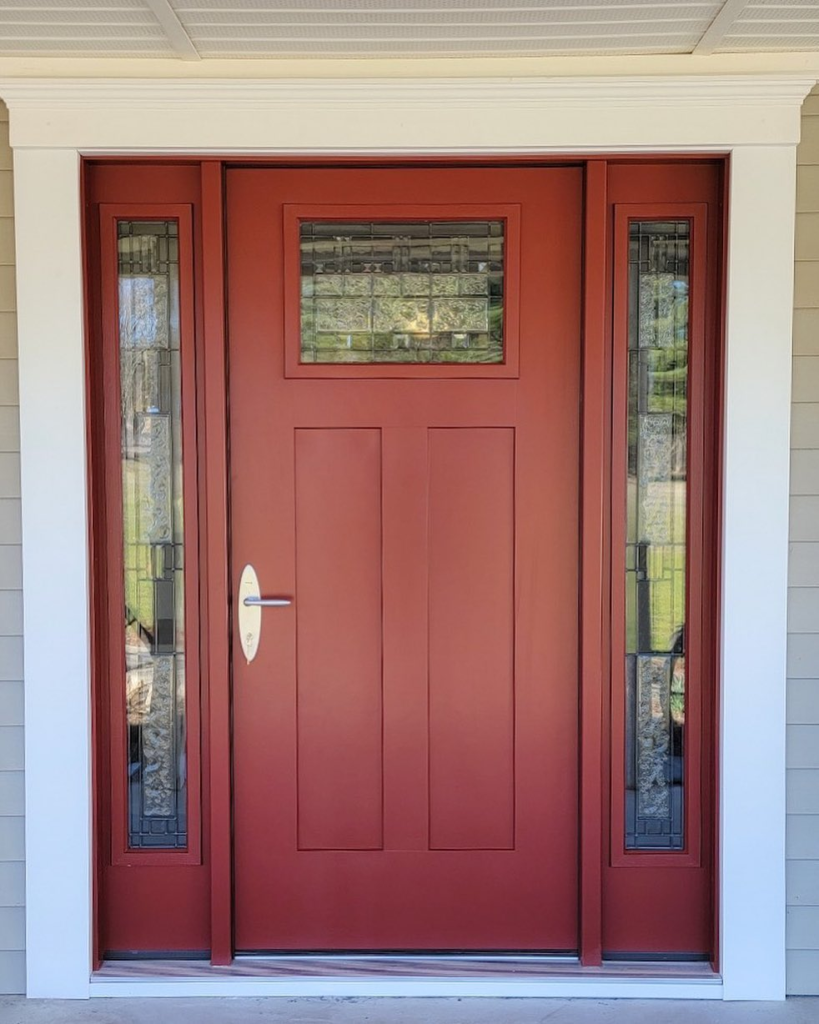
Fiberglass Entry Door
Patio Door Installation Companies Specialist Professionals Fort Worth
Fiberglass Entry Door

Door Frame/Jamb Repair/Replacement

We provide door frame repair services to fix damaged or misaligned frames. We are experienced in repairing all types of frames including wood, metal, and fiberglass. Contact us now for fast and reliable service.
door jamb repair near me,Fort Worth Tx,Colleyvile Tx,Keller Tx,Grapevine Tx, Arlington Tx, Dallas Tx
door jamb repair near me,Fort Worth Tx,Colleyvile Tx,Keller Tx,Grapevine Tx, Arlington Tx, Dallas Tx]
Jamb Repair
Rot-Free Jamb Repair

As you can see the doors have varying degrees of damage.Door jamb rot is a common problem for homeowners. We can solve this problem by  installing a rot free jamb and seal in place of your old damaged jamb. By replacing the old jamb with a rot free jamb and watertight seal creates a barrier that helps keep moisture out and your door jamb  repair rot free.

Most door jambs have standard finger joint wood insulation process using 3 pieces of wood, the jamb, a jamb extension, and trim. If your door has rotted from water damage it is a result from where moisture was able to get in between the joints of the three pieces of wood after the installation was completed.
We will stop the wood rot in your door jamb by installing the Rot-Free 4-Ever style jamb and outside trim. We will custom build a jamb to fit the width of the wall opening. We can do all types of door jamb repairs, Let us show you how to fix it RIGHT.
We operate anywhere in the Dallas / Fort Worth Metroplex including Arlington, Allen, Carrollton, Colleyville, Keller, McKinney, Plano, Richardson, Highland Park,Denton, Irving, Hurst, Been brook, Coppell, Flower Mound, Grand Prairie, Grapevine, Addison, Allen, and South Lake. So no matter where you live, we can repair your doorjamb and have it back working condition in no time.

Contact Us

Products We Use On A Door Fram/Jamb Replacement

Forever Roy-Free Jamb ( Frame )

Forever Roy-Free Jamb ( Frame )

Adjustable Rot-Free Sill

Adjustable Rot-Free Sill

screws not nails

screws not nails

Door Sweeps

Door Sweeps

Sill Polymer ( Glue )

Sill Polymer ( Glue )

Door Weathstripping
Door Weathstripping
Cement for Grouting under the sill when needed

Gallery

Fiberglass Entry Door
#image_title
Hinged Fiberglass Patio Door
#image_title
entry-doors-dallas-fort-worth-plano-texas
#image_title
#image_title
Fiberglass door unitPRO DOOR REPAIR DOOR REPAIRAND DOOR REPLACEMENT
#image_title
Replacement doors
custom wood door unit
#image_title
#image_title
entry-doors-dallas-fort-worth-plano-texas
Fiberglass Custom Patio Door
#image_title
#image_title
#image_title
#image_title
Door Repair companies Coppell Texas
Door Repair companies Coppell Texase_title
#image_title
PRO DOOR REPAIR CO
#image_title
#image_title
#image_title
Hinged Patio Door
Hinged Patio Door